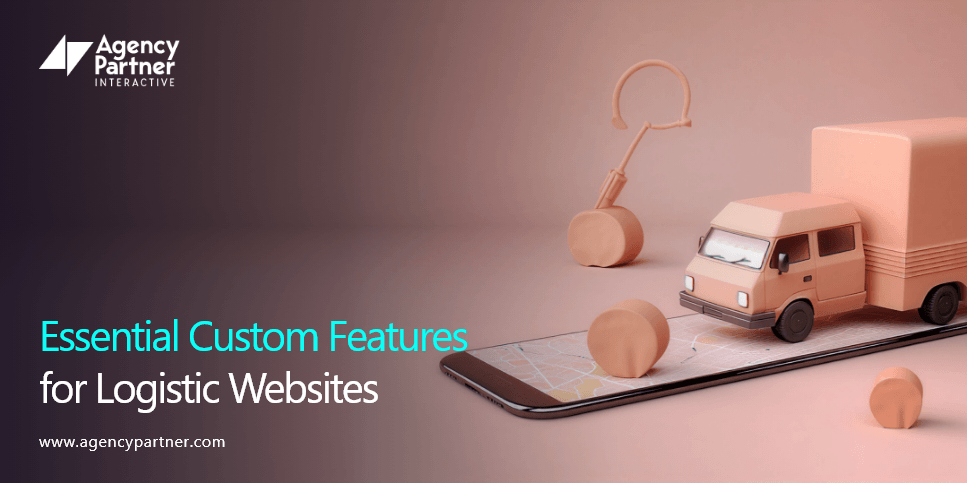
The logistics industry is evolving rapidly, and the need for an optimized logistics web design has never been more important. In a competitive market, your website is often the first point of contact for potential clients. Whether you are managing shipping services, supply chains, or freight forwarding, your logistics company web design should be designed to provide a seamless and intuitive user experience. But what exactly makes a logistics website effective?
In this blog, we’ll explore the custom web design and development features your logistics web design agency should focus on to ensure your website stands out and attracts more clients. These features go beyond basic designs, allowing you to offer a fully customized website development that addresses the unique needs of the logistics industry.
Why Custom Web Design and Development Matter for Logistics Websites?
Custom website development gives businesses in the logistics sector a competitive edge. Generic website templates might look good on the surface, but they lack the customizable features that provide specific solutions for logistics services.
When you choose custom web design and development, your site will be tailored to your business needs, offering features like:
- Real-time tracking
- Customized booking forms
- Integrated payment solutions
This level of personalization is what makes logistics web design stand out. A well-designed, custom site makes it easier for customers to navigate, inquire about services, and make decisions quickly.
Key Features for Logistics Websites
1. Real-Time Shipment Tracking
One of the most essential features for a website in the logistics industry is real-time shipment tracking. This feature is particularly important for logistics company web design as it provides users with immediate access to information about the status of their shipments.
By integrating real-time tracking into your website, you can:
- Improve customer satisfaction by offering up-to-date information
- Streamline customer support as clients can independently check the status of their shipments
- Build trust with transparency in your operations
If your website offers this service, it becomes an indispensable tool for clients seeking reliable, fast, and transparent services.
2. Customizable Booking and Quote Forms
Customized website development in the logistics industry requires providing users with easy access to services and bookings. Offering custom features like flexible booking forms and online quotes is a game-changer for logistics web design services.
Why it’s essential:
- Instant Quotes: Visitors can get a price estimate for services with minimal effort.
- Easy Service Booking: Users can directly book services, saving time and improving conversion rates.
- Tailored Forms: You can design forms that capture relevant information specific to logistics services, such as cargo weight, delivery dates, and locations.
When logistics web design is focused on user-friendly forms, your website becomes a tool that actively contributes to client acquisition.
3. Easy Navigation and Clear Service Listings
When creating a custom website design, focusing on user experience (UX) is critical. Logistics web design should ensure that visitors can quickly find what they’re looking for.
Key features include:
- Service category pages: Clear, clickable options for different types of logistics services, including shipping, freight forwarding, and warehousing.
- Search bar integration: Allow users to quickly find specific services or information on your website.
- Fast loading speed: Custom web design and development should also focus on technical aspects like load times to improve user experience and SEO performance.
A well-structured website layout encourages visitors to stay longer and engage with your services.
4. Mobile Responsiveness
Given that more people are accessing websites on mobile devices, logistics web design services must prioritize mobile responsiveness. Many of your clients will be tracking shipments or managing logistics on the go, so a website that functions well on smartphones and tablets is crucial.
Benefits of mobile-friendly design:
- Better user experience: Users can navigate easily, no matter what device they’re on.
- Higher search rankings: Google prioritizes mobile-friendly websites, so mobile optimization directly impacts SEO performance.
- Higher conversions: A mobile-optimized site makes it easier for potential clients to make bookings and requests directly from their phones.
Make sure your logistics website design company incorporates responsive design into the development process to ensure your website delivers an exceptional experience across all devices.
5. Secure Payment Solutions
Offering secure, multiple payment options is an integral part of any logistics web design. Whether it’s for paying for shipping services, membership fees, or booking fees, ecommerce functionality must be integrated seamlessly into the website.
Why secure payment systems matter:
- Customer trust: Clients want to feel secure when transacting on your site.
- Efficiency: Streamline payments for quicker transaction processing.
- Global reach: Offering multiple payment methods (PayPal, credit card, etc.) expands your market and client base.
When you integrate customized website development solutions like secure payment gateways, your logistics company web design improves both functionality and credibility.
How to Work With a Logistics Web Design Agency?
Working with an experienced logistics web design agency ensures your website not only looks professional but also performs at its best.
Steps to Take When Choosing a Web Design Agency:
1. Evaluate past projects: Look at the agency’s portfolio for examples of logistics web design and see how they’ve handled similar projects.
2. Understand your goals: Communicate your needs clearly. Are you looking for a simple informational site or a fully functional platform with payment integration and booking?
3. Check for SEO expertise: Ensure your chosen logistics web design company understands SEO best practices and will help you rank higher in search results.
4. Discuss ongoing maintenance: A successful website requires regular updates. Ask about their custom web design and development maintenance services.
Why Choose Custom Website Development for Your Logistics Business?
Choosing custom website development gives your logistics company the flexibility to create the ideal website. Custom features allow for:
- Better user engagement: Offering tools like tracking, booking, and customer service chatbots keeps your clients engaged.
- Scalability: As your business grows, a custom web design can evolve to meet new demands.
- Personalized branding: A custom website design gives you the opportunity to showcase your brand’s unique identity and stand out in a competitive market.
Conclusion
A well-designed website is one of the most powerful tools for driving business growth in the logistics industry. By incorporating the right ecommerce website features, such as real-time tracking, custom booking forms, and mobile responsiveness, your logistics website can provide a seamless experience for customers while improving your business operations.
Investing in customized website development ensures that your website is aligned with both your business goals and your customers’ needs. Working with a professional logistics web design agency will help ensure that your site delivers top-notch performance, security, and scalability.
Agency Partner Interactive offers top-tier logistics web design services to help you build a robust, user-friendly website that attracts, converts, and retains clients in the ever-evolving logistics sector.
FAQs
1. What are the most important features for a logistics website?
Important features for a logistics website include real-time shipment tracking, custom booking forms, mobile responsiveness, secure payment systems, and easy navigation. These features improve user experience, build trust, and boost conversions.
2. How can custom website development improve my logistics business?
Custom website development allows for tailored functionality, such as real-time tracking, personalized branding, and scalability. It enables a logistics website design that meets your specific business needs and improves user engagement, leading to higher conversions.
3. What are the benefits of using a logistics web design agency?
A logistics web design agency offers expertise in building high-performing, user-friendly websites. They understand ecommerce website design trends, ensure mobile optimization, and implement custom web design features that align with your business goals.
4. How important is mobile responsiveness in logistics website design?
Mobile responsiveness is critical in logistics website design. With more customers using mobile devices, a mobile-optimized website ensures a seamless user experience and helps you capture a wider audience. It also boosts search rankings for better visibility.
5. Why should I focus on website speed for my logistics site?
Website speed is vital for logistics web design as slow-loading pages lead to higher bounce rates and lost opportunities. Optimizing ecommerce website features for speed ensures better user experience and improved SEO performance.