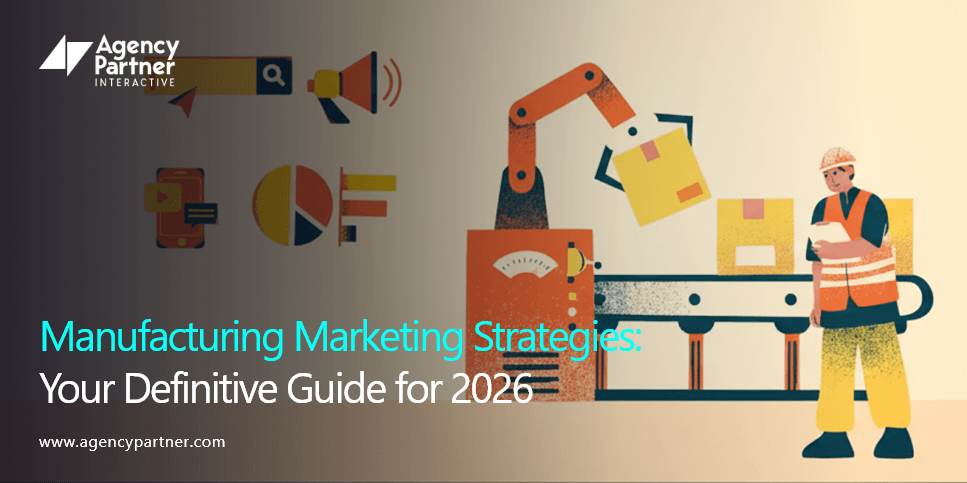
Manufacturing companies can no longer rely only on referrals, trade shows, and word-of-mouth to drive growth. In 2026, buyers are researching suppliers online, comparing competitors, reading reviews, exploring websites, and evaluating companies long before they ever speak with a sales rep.
That is why every manufacturer needs a stronger manufacturing marketing strategy.
Whether you are targeting distributors, contractors, engineers, procurement teams, or enterprise buyers, your digital presence now plays a major role in generating trust and winning new business.
So, ask yourself: Is your company visible enough online to compete in 2026?
Why Manufacturing Marketing Has Changed
The buying journey for industrial and manufacturing companies has changed dramatically. Today, decision-makers spend more time researching online before making contact.
They search for:
- Product information
- Technical specs
- Certifications
- Case studies
- Reviews
- Manufacturing capabilities
- Industry expertise
This means that marketing for manufacturing companies is no longer just about brochures and sales calls. Companies now need a complete marketing plan for manufacturing company growth that includes SEO, content, paid ads, email marketing, social media, and lead nurturing.
A strong manufacturing marketing strategy helps businesses:
- Generate more manufacturing leads
- Build brand authority
- Improve visibility online
- Support sales teams
- Shorten the buying cycle
- Increase long-term revenue
1. Build a Strong Website That Supports Manufacturing Leads
Your website is often the first impression buyers will have of your business. A weak website can cost you valuable manufacturing leads.
A strong website for marketing for manufacturing industry companies should include:
- Clear service pages
- Product pages
- Industry-specific landing pages
- Technical resources
- Certifications and compliance details
- Contact forms
- Case studies
- Calls to action
Your website should also be optimized for SEO, mobile users, and conversions. If buyers cannot quickly understand what you do, who you serve, and why they should trust you, they will move on to a competitor.
2. Use Content Marketing for Manufacturers to Build Authority
Content marketing for manufacturers is one of the most powerful ways to attract buyers in 2026. Decision-makers want useful information before they speak with a sales team.
That is why content marketing for manufacturers should include:
- Blogs
- Case studies
- Whitepapers
- Product guides
- Videos
- FAQs
- Industry insights
- Comparison pages
Content marketing for manufacturers helps improve search rankings, educate buyers, and generate manufacturing leads.
For example, if you manufacture industrial packaging, metal products, automation equipment, or pharmaceutical labels, your content should answer the questions buyers are already searching online.
3. Invest in SEO for Manufacturing Online Marketing
Manufacturing online marketing depends heavily on SEO. If your website does not appear in search results, your ideal customers may never find you.
A strong manufacturing marketing strategy should include:
Digital marketing in manufacturing industry companies often starts with SEO because buyers actively search for suppliers, manufacturers, and industrial service providers online. The more visible your business is in search results, the more manufacturing leads you can generate.
4. Create Better Manufacturing Advertising Campaigns
Manufacturing advertising is changing. Many companies still rely too heavily on print ads and trade publications. While those channels can still work, digital advertising now offers better targeting and measurable results.
Manufacturing advertising in 2026 should include:
- Remarketing campaigns
- Display advertising
- Industry publication ads
- Video advertising
A strong manufacturing marketing group can help create campaigns that target engineers, procurement teams, plant managers, and industrial buyers. Paid advertising can also support inbound marketing for manufacturers by driving more traffic to landing pages and downloadable resources.
5. Focus on B2B Manufacturing Marketing and Lead Nurturing
B2b manufacturing marketing is very different from consumer marketing. Industrial buyers often take weeks or months to make decisions. That means your marketing plan for manufacturing company growth should include lead nurturing.
Lead nurturing may include:
- Email marketing
- Retargeting ads
- Downloadable resources
- Educational content
- Case studies
- Sales follow-up sequences
B2b manufacturing marketing is not about immediate conversions. It is about building trust over time. The stronger your content and follow-up process are, the more likely buyers are to choose your company.
6. Use Social Media to Support Marketing for Industrial Companies
Many manufacturing companies underestimate social media. However, platforms like LinkedIn, YouTube, Facebook, and Instagram can support marketing for industrial companies when used correctly.
Social media can help manufacturers:
- Share company updates
- Highlight projects
- Showcase products
- Publish industry insights
- Promote trade show appearances
- Build trust with buyers
Marketing for manufacturing companies is not just about generating direct sales. It is also about building visibility and credibility over time.
7. Measure Everything and Improve Your Strategy
One of the biggest advantages of digital marketing in manufacturing industry campaigns is the ability to measure results.
You can track:
- Website traffic
- Lead conversions
- Ad performance
- Search rankings
- Email engagement
- Landing page results
- Social media activity
A strong manufacturing marketing group will use this data to improve campaigns over time. The best marketing strategies for manufacturing are never static. They evolve based on data, buyer behavior, and market trends.
What Should Your Manufacturing Marketing Strategy Include?
If you are building a manufacturing marketing strategy for 2026, ask yourself these questions:
- Is our website generating enough manufacturing leads?
- Are we investing enough in content marketing for manufacturers?
- Are our SEO efforts helping us rank for important keywords?
- Are we nurturing leads after they visit our website?
- Are we using the right manufacturing advertising channels?
The answers to these questions can help you identify the biggest gaps in your current strategy.
Ready to Improve Your Manufacturing Marketing?
Marketing for manufacturing companies is becoming more competitive every year. The companies that win in 2026 will be the ones that invest in stronger websites, SEO, content, advertising, and lead nurturing.
At Agency Partner Interactive, we help manufacturers build stronger digital strategies that generate visibility, trust, and manufacturing leads. Whether you need help with content marketing for manufacturers, SEO, manufacturing advertising, or a complete marketing plan for manufacturing company growth, our team can help you create a strategy that supports long-term success.
FAQs
1. What is the best manufacturing marketing strategy for 2026?
The best manufacturing marketing strategy for 2026 includes SEO, content marketing, paid advertising, email marketing, social media, and lead nurturing. Manufacturers need a balanced approach that improves visibility, generates manufacturing leads, and supports long sales cycles.
2. Why is content marketing for manufacturers important?
Content marketing for manufacturers is important because buyers want information before speaking with a sales rep. Blogs, case studies, videos, and guides help manufacturers build authority, improve SEO rankings, and attract more qualified leads.
3. What is the difference between b2b manufacturing marketing and consumer marketing?
B2b manufacturing marketing focuses on longer sales cycles, multiple decision-makers, technical content, and relationship building. Consumer marketing is often more emotional and focused on quicker purchasing decisions.
4. How can manufacturing advertising improve lead generation?
Manufacturing advertising can improve lead generation by targeting the right audiences through Google Ads, LinkedIn Ads, remarketing campaigns, and industry-specific publications. Strong advertising campaigns can increase website traffic and support lead nurturing.
5. Why is inbound marketing for manufacturers effective?
Inbound marketing for manufacturers is effective because it attracts buyers through useful content, SEO, and educational resources. Instead of chasing leads, manufacturers can create content that brings potential customers directly to their website.