Web Insights
Key Functionalities: Every School Website Must Have
In today’s digital age, having a school website design that not only looks good but also functions smoothly is essential. A school’s website is its digital face to the world, offering parents, students, faculty, and potential stakeholders easy access to information and services. Whether it’s designing a school website for a new institution or upgrading an existing one, the functionality and user experience should be top priorities.
When it comes to school web design, certain features should be non-negotiable to ensure your website meets the needs of all users. From mobile optimization to secure login systems, here are the key functionalities that every website for a school must include to serve its community efficiently.
1. User-Friendly Design for Easy Navigation
A school website design needs to prioritize usability. Navigation is critical, as it determines how easily users can access important information like school calendars, policies, or contact details. Simple, clear, and intuitive menu structures are key in designing a school website that works for everyone.
When considering a website requirements checklist for a school site, make sure the following elements are included:
- Easy-to-read fonts and consistent styling
- Sticky navigation bars for easy access to essential pages
- Search functionality to help users find content quickly
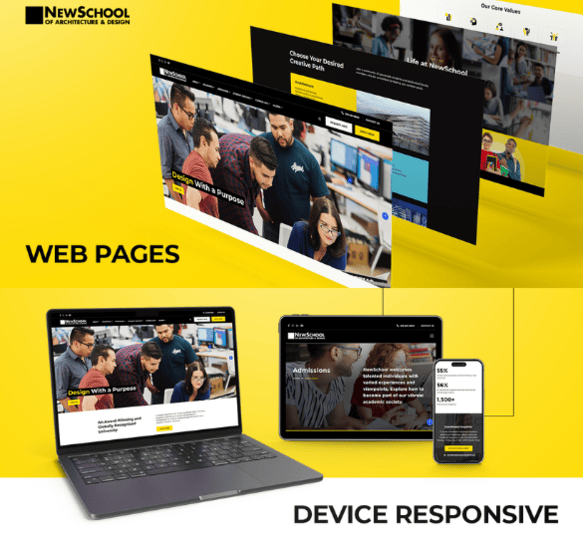
In 2026, your school’s web design should be fully responsive, meaning it must adjust seamlessly to mobile and tablet screens. This ensures that website design for schools remains functional, whether accessed by a parent on the go or a student checking their grades.
2. Clear Contact Information and Forms
A school’s website should make it easy for users to contact the right department. Whether it’s for general inquiries, technical issues, or school-related concerns, a visible contact form is necessary.
A website for a school must also include:
- A dedicated contact page with detailed information for various departments (admissions, administration, etc.)
- A contact form for quick submissions
- Real-time chat options for direct communication
For school website designers, it’s essential to integrate contact forms that are simple, secure, and easy to use. This website functionality checklist is vital for both prospective and current students or their families who may have questions and need responses promptly.
3. Integration with Learning Management Systems (LMS)
Incorporating an LMS into your school website development is increasingly crucial. An LMS allows students and faculty to access courses, assignments, grades, and important documents.
The school website developers can integrate an LMS by:
- Providing access to course materials
- Enabling real-time grades and progress tracking
- Allowing student-teacher interaction through discussion boards
This school website functionality not only improves efficiency but also promotes a more collaborative and interactive learning experience. Incorporating these systems streamlines communication and ensures that all essential learning materials are easily accessible.
4. Online Registration and Admissions
In 2026, online registration and admissions processes should be an integral part of every website design for schools. Allowing prospective students to apply, upload documents, and even schedule interviews online saves time and effort for both the administrative team and applicants.
For school website designers, this functionality includes:
- Online forms for student applications
- Document upload features
- Automated email notifications upon form submission
A website requirements checklist for a school should include secure data submission methods to comply with privacy laws such as FERPA, ensuring that all sensitive data is handled properly.
5. Event Calendars and Announcements
School websites must serve as hubs for timely and relevant information. Including an event calendar within your school website development is an effective way to keep students, parents, and faculty updated about important dates.
Essential features include:
- An interactive event calendar that displays holidays, school events, parent-teacher meetings, and other important dates.
- News and announcements sections to highlight upcoming events, school achievements, and important notices.
- Push notifications or email alerts to notify users of last-minute updates
The best school website designs use a clear layout with easy-to-navigate calendars so users can quickly find the information they need.
6. Security Features for Data Protection
Security is an absolute must for any school’s web design. With the sensitive nature of student and parent data, ensuring secure access to portals and personal information is critical.
Here are the key functionalities in terms of security:
- SSL encryption to ensure secure data transmission
- Password-protected student/parent portals to access grades, assignments, and communication
- Two-factor authentication for higher levels of security for admin access
The right school website developers integrate security protocols as part of the website requirements checklist to safeguard all personal and academic data.
7. Social Media Integration for Community Engagement
School website design in 2026 must facilitate connections with the broader community. One of the most effective ways to engage is through social media integration. This feature allows the school to maintain a dynamic presence, keeping users updated on events, achievements, and news.
For school website designers, this means embedding live social media feeds from platforms like:
- Instagram for showcasing student achievements
- Facebook for community updates
- Twitter for immediate announcements
These school website functionality enhancements allow parents, students, and staff to stay engaged in real-time and connect with the school through various channels.
8. Multilingual Support for Diverse Communities
With the growing diversity in many school districts, the school must cater to multiple languages. Multilingual support on the site ensures that all families, regardless of their primary language, can easily navigate and access essential information.
This functionality includes:
- Language options for different regions
- Translatable content for key pages
- Multilingual forms for admissions and contact inquiries
For school website designers, adding language support is an important consideration for reaching a wider audience and enhancing inclusivity within the school community.
9. Alumni Networks and Community Engagement
A school website can serve as a lasting tool for connecting alumni. Alumni networks offer ongoing value for both former and current students, fostering long-term engagement with the school.
Essential features for alumni include:
- Alumni directories for networking
- Event invitations for reunions or fundraising activities
- Donation portals for alumni giving
By integrating an alumni portal, schools strengthen their ties with past students and encourage continued support.
10. Customization and Scalability
The best school website designs are flexible enough to evolve with the school’s growth. Whether expanding to include new courses, departments, or events, your website should easily scale to accommodate these changes.
This requires:
- Customizable CMS (Content Management System) for easy updates
- Modular architecture for adding features as needed
- Ongoing updates and maintenance to ensure the website evolves with the institution’s needs
A website requirements checklist should include scalability as a key consideration to ensure that the website can grow with the institution’s future needs.
Conclusion
A school website is far more than just a digital brochure; it is an essential communication tool that serves as the backbone for school operations, engagement, and growth. Whether you’re designing a school website from scratch or revamping an existing one, focusing on key functionalities like mobile optimization, integration with learning management systems, online registration, and security is critical.
By adhering to a website functionality checklist, schools can build an effective, efficient, and engaging online presence that serves both students and parents while supporting broader educational goals.
FAQs
Q1: What features should be included in every school website design?
A comprehensive school website design should include easy navigation, online registration systems, secure parent-student portals, a real-time event calendar, and social media integration. These features help streamline communication and enhance user engagement.
Q2: How do I make my school website mobile-friendly?
To ensure your school’s web design is mobile-friendly, use responsive design principles. This ensures that the site automatically adjusts to different screen sizes, providing a smooth and intuitive user experience on all devices.
Q3: Why is security important in school websites?
Given the sensitive nature of student and parent data, school website designers must implement robust security features such as SSL encryption, secure login systems, and multi-factor authentication to protect personal information and comply with privacy laws.
Q4: What role does social media integration play in school websites?
Integrating social media into your school website design allows for real-time updates, enhances community engagement, and keeps parents, students, and faculty connected with the school. It also helps increase visibility and interaction across digital platforms.
Q5: How can multilingual support improve school website functionality?
Multilingual support enables schools to serve diverse communities by providing content in multiple languages. This ensures that all families, regardless of their primary language, can access essential information and engage with the school more effectively.