Ecommerce businesses do not need to adopt every new technology to improve the shopping experience. The right priorities depend on how customers discover products, complete purchases, receive orders, and get support.
This guide explores nine ecommerce trends and practical priorities, from mobile shopping and social commerce to subscriptions and flexible fulfillment. For each one, consider whether it solves a real customer problem, works with your existing systems, and fits your operating budget.
If these priorities require changes to your storefront, checkout, or integrations, explore our ecommerce website development services to discuss the implementation scope.
If you are still choosing a platform, compare these ecommerce platforms for small businesses alongside your catalog, payment, and maintenance requirements.
-
Omnichannel Retailing
Omnichannel retailing connects online and offline shopping experiences. Customers may discover a product on social media, check its availability on a website, and purchase or collect it at a physical store.
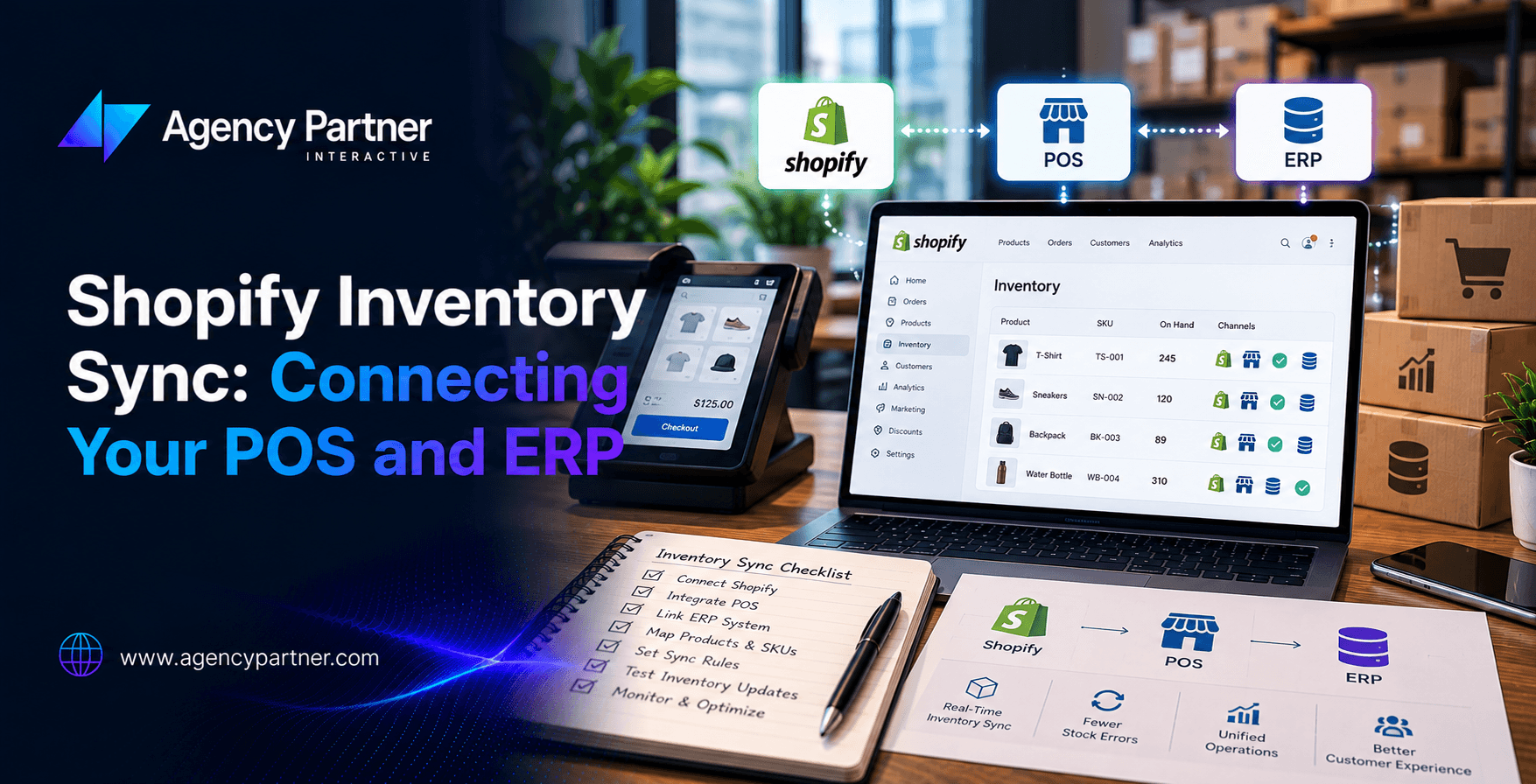
For retailers, the practical challenge is keeping product information, inventory, orders, and customer communications consistent across those channels. Start by identifying where customers encounter conflicting information or disconnected processes. Prioritize integrations that address those problems rather than adding channels your team cannot reliably support.
For retailers using Shopify, our Shopify development services can help you assess storefront changes and integration requirements across your sales channels.
-
Social Commerce
Social commerce connects product discovery on social platforms with the shopping journey. Customers may encounter products through videos, creator content, reviews, or product posts before visiting an online store or using an available shopping feature.
Platform capabilities and checkout options vary by country, account eligibility, and product category. Before investing, confirm what your chosen platform supports and how product availability, pricing, and orders will stay accurate.
Focus on useful demonstrations, clear product information, and a smooth transition to purchase. Measure qualified visits, purchases, and returns alongside engagement rather than treating views or likes as proof of sales performance.
-
Customer Service Automation and Human Support
Automation can help ecommerce teams handle routine questions about delivery, order status, product information, and return procedures. However, more automation does not automatically create a better customer experience.
Use approved, current information to guide automated responses and provide an easy way to reach a person. Complex complaints, payment disputes, unusual requests, and uncertain answers should have a clear escalation path.
Protect customer information by limiting the data collected and controlling access to connected systems. Review response accuracy, unresolved conversations, and customer feedback regularly. The goal is to reduce repetitive work while keeping support reliable and accountable.
If your support workflow requires a custom solution connected to business systems, our AI development services can help you assess integration requirements, data access, and human oversight.
-
Mobile Shopping
Mobile shopping lets customers research products, compare options, and place orders wherever they are. A useful mobile experience depends on more than fitting a desktop website onto a smaller screen.
Make product details, images, prices, delivery information, and return policies easy to find. Test navigation, product filters, forms, and checkout on different screen sizes. Customers should be able to select a product variant, correct an error, and complete payment without unnecessary steps.
For example, a clothing shopper should be able to review sizing information, choose an available size, and understand the total cost before paying. Use mobile checkout data and customer feedback to identify friction rather than assuming every store needs a separate mobile app.
If your store needs improvements to mobile navigation, product pages, or checkout, our ecommerce website development services can help you define the implementation scope.
-
Subscription-Based Shopping
Subscription commerce involves recurring payments for an agreed product or service. The model can take different forms: replenishment subscriptions deliver regularly used products, curated boxes provide selected items, and memberships offer defined benefits or access.
Subscriptions are not automatically unlimited, and billing does not always happen monthly. Clearly explain what customers receive, how often they are charged, delivery frequency, and any additional costs.
Before offering subscriptions, assess repeat demand, fulfillment capacity, payment handling, and customer support requirements. Make renewal, cancellation, and any available pause or skip options easy to understand. Track retention, failed payments, cancellations, and profitability to evaluate whether the model works for your business.
-
Visual Search and Product Discovery
Visual search helps shoppers find products using an image rather than relying only on typed keywords. Depending on the system, customers may upload a photo or select an image to discover similar items.
This can be useful when shoppers know what a product looks like but do not know its name or the right search terms. Its usefulness depends on image quality, catalog information, and how accurately the system matches products.
Visual search should complement clear categories, filters, and text search. Adding it to a store does not automatically improve Google rankings. Evaluate it through product discovery and shopping outcomes, such as relevant results, product visits, and completed purchases.
Visual search within a store is different from visibility in search engines. For product and category pages that need stronger technical and content foundations for organic search, explore our ecommerce SEO services.
-
AR Product Visualization and Virtual Try-On
Augmented reality can help customers visualize a product in their surroundings or preview how certain products may look when worn. A furniture retailer, for example, might let shoppers preview an item in a room using a compatible device.
AR product visualization is different from live shopping, where a presenter demonstrates products during a broadcast. The two experiences can be combined, but they serve different purposes.
Before investing in AR, consider the cost of creating and maintaining suitable product assets, device compatibility, and the accuracy of the experience. Virtual previews should support, not replace, dimensions, sizing information, product descriptions, and clear return policies.
-
Digital Wallets and Contactless Payments
Digital wallets can simplify online checkout by allowing customers to use supported payment methods without manually entering all their details each time. Availability depends on the wallet, payment provider, device, browser, and country.
At physical stores, contactless payments typically use NFC technology. Customers can tap a compatible credit or debit card, phone, or wearable device at a supported terminal. Contactless payment does not mean that a credit or debit card cannot be involved.
Online wallet checkout and physical contactless payments are related but distinct experiences. Retailers should evaluate customer preferences, payment fees, compatibility, refunds, and operational requirements before adding payment options.
Official reference: Visa’s explanation of contactless payments.
-
Flexible Fulfillment: BOPIS and Curbside Pickup
Buy Online, Pick Up In-Store, or BOPIS, allows customers to place an order online and collect it from a physical store. Curbside pickup is a related option where staff bring the prepared order to a designated area outside the store.
Both options depend on accurate inventory, clear collection instructions, and a reliable order preparation process. Show eligible locations, pickup hours, and any applicable charges before checkout. Send a ready-for-collection notification so customers do not arrive before their order is prepared.
For curbside collection, explain how customers should announce their arrival and how staff will identify the order. Track preparation time, missed pickups, inventory discrepancies, and customer feedback to assess whether the service is convenient and operationally sustainable.
-
Curbside Pickup
Curbside pickup involves face-to-face interactions between customers and sales staff but doesn’t require shoppers’ physical presence inside an actual store. It simply requires that they notify the store via app or online that they’ve arrived, and staff members will bring items out to the customer and place it in their vehicle. This option stuck around after COVID-19, and we see it becoming even more popular in the future!
Agency Partner Interactive
The COVID-19 pandemic spearheaded the global eCommerce surge out of necessity, and since then, it has continued to evolve to meet the needs of modern consumers. While these eCommerce trends are critical to know for any online business, they’re just the beginning. If you need help developing a compelling, conversion-driven eCommerce marketing strategy, Agency Partner is here to help. Our internet marketing team has worked with brands of all sizes and industries to drive engagement, web traffic, customer loyalty, and revenue. Ready to optimize and future-proof your eCommerce business? Schedule your consultation today!