A standard website layout can work well until your content, audience, or sales process needs something different. You may need to explain a complex service, present detailed project evidence, or help several types of visitors find different information.
The benefits of custom web design become useful when a tailored layout solves one of those specific problems. A distinctive appearance can be part of the result, but the stronger reason to invest is a website that communicates clearly and supports the tasks your visitors need to complete.
This guide explains six practical advantages of custom design, what those advantages depend on, and how to decide whether the additional work is justified.
What Is Custom Web Design?
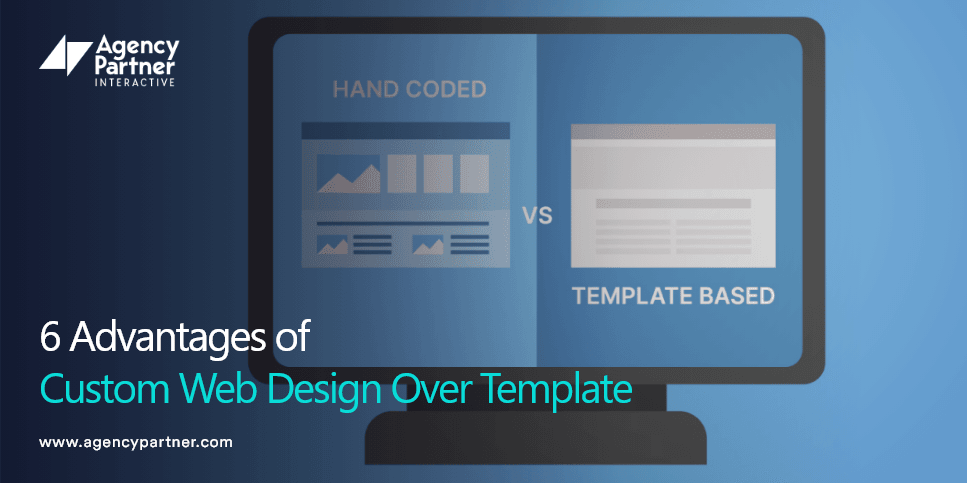
Custom web design means shaping a website’s structure, visual presentation, and interactions around a particular business and its audience. The work can include page layouts, navigation patterns, content hierarchy, responsive behavior, and reusable interface components.
It does not necessarily mean writing every part of the website from scratch. A tailored design can be implemented using an established CMS, a suitable theme foundation, or an existing component library.
Design determines how information and interactions are presented. Development turns those decisions into working pages and functionality. Our guide to custom website development services covers the functionality and integration side in more detail.
1. Express Your Brand Through More Than Colors and a Logo
A recognizable website uses a consistent visual language. Typography, spacing, photography, illustrations, and tone all influence how visitors understand the business.
Custom design gives a team room to decide how those elements should work together. A technical manufacturer may need precise diagrams and specification layouts, while a professional services firm may need a restrained presentation that gives expertise and project evidence more prominence.
The goal is to make the business easier to recognize and understand. Unusual layouts or decorative effects are useful only when they support that goal.
A well-configured template can also express a brand effectively. Custom work becomes more valuable when its existing patterns repeatedly force compromises in presentation.
Website design services can help translate brand guidelines into a practical visual system for the site.
2. Give Complex Offers a Clearer Information Hierarchy
Some businesses need more than a headline, a short description, and an inquiry button. Visitors may need to compare service options, understand eligibility, examine specifications, or see how a project is delivered.
A tailored page can arrange that information in the order customers need it. For example, an engineering service page might explain the problem first, identify suitable project types, show relevant evidence, and then describe what an initial consultation involves.
This approach can also place supporting information close to the claim it explains. A project example beside a capability statement may be more useful than a large gallery disconnected from the service.
Before approving the layout, test whether unfamiliar visitors can find the answers they need. Wireframing and prototyping services make those decisions easier to review before the finished design is implemented.
3. Support Different Visitor Journeys
A website may serve several audiences with different questions. A prospective customer might need service details, an existing customer might need support, and a potential employee might need career information.
Custom design can create clear routes for these visitors without making every page carry every message. Navigation, contextual links, and calls to action can reflect what someone is trying to accomplish at that stage.
For a business with a long sales process, the appropriate next step may be reviewing a project example or downloading useful information rather than immediately requesting a quote.
These choices should come from customer questions, observed behavior, and testing. A tailored journey does not automatically produce more inquiries.
UI/UX design services can help investigate those journeys and assess whether proposed changes make important tasks easier.
4. Adapt Important Content Across Devices and Input Methods
Responsive design involves more than making a desktop layout fit a smaller screen. Detailed tables, navigation menus, comparison sections, and forms may need different presentation choices on a phone.
Custom design gives the team an opportunity to specify those behaviors. A wide comparison table might need a more readable mobile arrangement, while a complex inquiry form might need clearer grouping and instructions.
Also consider people using keyboards, enlarged text, or assistive technology. Visible focus indicators, meaningful labels, sufficient contrast, and understandable error messages should be part of the design discussion.
The W3C introduction to web accessibility explains why access needs to be considered throughout website design and development.
Custom design does not establish accessibility by itself. The implemented experience still needs testing. Our guide to web design and development mistakes explains common usability problems worth investigating.
5. Create Page Layouts That Fit Your Content
Different content types often need different structures. A case study may need a problem, approach, evidence, and outcome. A service page may need requirements, scope, exclusions, and a next step.
Custom layouts can accommodate those differences while keeping the site visually consistent. This reduces the pressure to shorten useful information simply because a generic section has limited space.
The editing experience matters too. Decide which sections staff can reorder, which elements should remain consistent, and what guidance prevents accidental formatting problems.
CMS website development services can connect the approved layouts with practical content structures and editing controls.
Ask the people maintaining the site to try realistic updates before launch. A design that looks flexible in a presentation may still be difficult to manage in the CMS.
6. Establish Reusable Components for Future Pages
A tailored design can define a consistent set of components, such as service summaries, project cards, testimonials, comparison sections, and inquiry panels.
Documenting how those components work helps future pages follow the same visual and interaction standards. It can also reduce repeated design decisions when the business adds a service or campaign.
Agree on the limits of reuse. A component should support a known content need rather than become so configurable that every page looks different.
Website development services can implement the approved components and their responsive behavior within the chosen platform.
This creates a foundation for consistent expansion. It does not guarantee unlimited scalability or remove the need for ongoing maintenance.
What Custom Design Does Not Automatically Deliver
Higher Search Rankings
A custom layout can support clear navigation, useful headings, and readable content. Search performance also depends on content quality, technical implementation, competition, and other factors.
Using the same theme as another website does not mean your written content is duplicated. Google’s SEO Starter Guide discusses useful content, crawlability, and descriptive links rather than treating custom design as a ranking requirement.
Use SEO services when the project needs a separate assessment of search visibility and technical requirements.
Faster Loading or Better Security
A custom website can still contain oversized media, excessive scripts, or poorly implemented functionality. Performance needs to be measured on representative pages and interactions.
Security depends on the platform, configuration, dependencies, access controls, updates, and operational practices. A visual design approach alone does not establish that a website is secure.
Guaranteed Return on Investment
Define the intended improvement before commissioning the work. It might be clearer service selection, fewer incomplete inquiries, easier content maintenance, or stronger presentation of project evidence.
Compare the full project and operating costs with evidence of those improvements. A higher design budget does not establish a better business outcome.
When Is Custom Web Design Worth Considering?
Consider tailored design when you can identify a requirement that the current layout handles poorly. Examples include explaining complex offers, presenting several content types, accommodating different audiences, or maintaining a consistent system across many pages.
A suitable template may remain a practical choice when the content is straightforward and its available layouts already meet your needs. Selective customization can also resolve a specific problem without replacing the entire site.
For an online store, evaluate product discovery, merchandising, and purchase journeys separately. Our custom ecommerce design versus templates guide covers that decision in more detail.
How to Assess a Custom Design Proposal
Ask the team to explain the problem behind each major recommendation. Review sample page layouts using your real content rather than relying entirely on placeholder text and idealized images.
- Which visitor tasks and content requirements informed the design?
- Which pages need tailored layouts, and which can reuse components?
- How will mobile behavior and accessibility be reviewed?
- What can your team edit after launch?
- Which implementation, testing, and support responsibilities are included?
- How will you assess whether the changes helped?
Review relevant website project case studies and ask what work was performed, what was measured, and which constraints shaped the result.
Before release, use a website launch checklist to verify the implemented pages, forms, production settings, and support arrangements.
Frequently Asked Questions
What are the main benefits of custom web design?
The main benefits are greater control over brand presentation, information hierarchy, visitor journeys, responsive behavior, content layouts, and reusable components. Their value depends on the requirements they solve.
Does custom design require a completely custom platform?
No. A tailored design can be implemented on an established CMS or other suitable platform. The visual approach and the underlying technology are separate decisions.
Can a template website support a growing business?
Yes. A suitable template and platform can support many business needs. Review specific limitations before assuming that growth requires a complete custom redesign.
Is custom web design better for SEO?
It can support useful design decisions, but it is not inherently better for SEO. Both template and custom websites need useful content and sound technical implementation.
How much does custom web design cost?
Cost depends on research, page types, component complexity, content preparation, revisions, implementation, and testing. Request a proposal with clear deliverables and ongoing costs.
Discuss the Design Your Business Needs
Start with the content and visitor tasks your current website struggles to support. Agency Partner Interactive can help assess whether focused changes, selective customization, or a broader design project would address those needs.