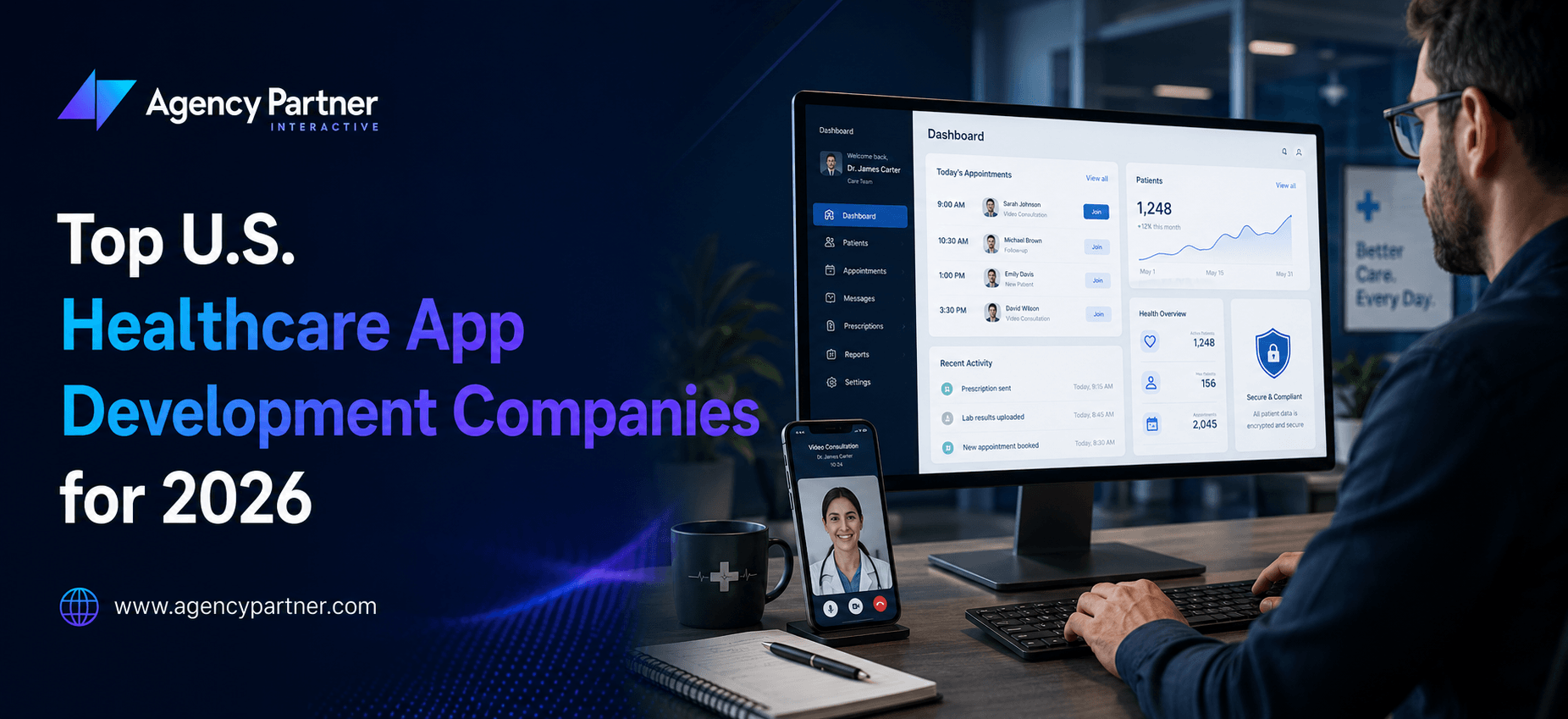
The healthcare industry is changing rapidly, and mobile apps are becoming one of the biggest drivers of patient engagement, convenience, and digital transformation. From appointment scheduling and telehealth to medication reminders and fitness tracking, healthcare mobile app development is helping providers connect with patients in smarter ways.
But building a healthcare app is not as simple as creating a standard mobile platform. Healthcare apps must handle sensitive data, provide secure experiences, follow compliance rules, and deliver real value to users. So, before you invest in healthcare app development services, ask yourself this question:
What problem will your app solve for patients? That answer will shape everything else.
Why Healthcare Mobile Apps Matter More Than Ever
Modern patients expect convenience. They want to book appointments online, access medical records, receive reminders, speak with doctors remotely, and track their health from their phones.
This is why healthcare mobile app development is growing so quickly.
Healthcare providers, startups, hospitals, insurance companies, and fitness brands are all investing in healthcare application development to improve patient experiences and stay competitive.
A successful healthcare app can:
- Improve patient engagement
- Reduce administrative work
- Increase appointment bookings
- Improve communication
- Support remote care
- Strengthen patient loyalty
Whether you are exploring medical app development, mental health app development, or health insurance app development, the right strategy matters.
Step 1: Identify the Main Purpose of Your App
The first step in healthcare application development is understanding what type of app you want to build. Different healthcare apps solve different problems.
For example:
- Telehealth apps connect doctors and patients remotely
- Mental health app development focuses on mood tracking, therapy access, and meditation tools
- Health insurance app development helps users manage claims, coverage, and documents
- Health and fitness app development supports workout tracking, wellness plans, and nutrition goals
The clearer your app purpose is, the easier it becomes to build the right features.
Step 2: Research Your Audience and Competitors
Before investing in healthcare app development services, you need to understand who your users are. Are you targeting patients, healthcare providers, fitness enthusiasts, therapists, or insurance customers?
You should also research competing apps to understand:
- What users like
- What users dislike
- Missing features in the market
- Common complaints
- Opportunities to stand out
This research helps improve healthcare mobile app development by ensuring your app solves real user problems.
Step 3: Choose the Right Features
Features are one of the most important parts of medical app development. The best healthcare apps include features that are useful, simple, and easy to navigate.
Some of the most common features in app development for healthcare include:
- Appointment scheduling
- Secure messaging
- Telehealth video calls
- Prescription reminders
- Health tracking
- Wearable device integration
- Payment processing
- Notifications and alerts
- Patient dashboards
Mental health app development may also include journaling, guided meditation, therapy booking, and mood tracking. Health and fitness app development often includes workout plans, nutrition tracking, and step counters.
Step 4: Prioritize Security and Compliance
Security is one of the biggest challenges in healthcare application development. Healthcare apps often store sensitive patient information, medical records, payment details, and insurance information.
That is why healthcare app development services must prioritize:
- HIPAA compliance
- Data encryption
- Secure login systems
- User authentication
- Privacy settings
- Role-based access
Without proper security, users will lose trust in your app.
Step 5: Design a Simple User Experience
One of the biggest reasons healthcare apps fail is because they are too complicated. Your healthcare mobile app development strategy should focus on simplicity.
Users should be able to:
- Find information quickly
- Schedule appointments easily
- Access records without confusion
- Navigate the app without training
A clean, simple design improves retention and creates a better experience for patients. This is especially important in medical app development, where users may already feel stressed or overwhelmed.
Step 6: Choose the Right Technology Stack
The technology behind your app will impact performance, scalability, and future updates.
An experienced team offering healthcare app development services can help you decide whether to build:
- Native iOS apps
- Native Android apps
- Cross-platform apps
- Progressive web apps
Choosing the right technology is important for mobile healthcare app development because healthcare apps often need fast performance, strong security, and seamless integration with other systems.
Step 7: Integrate With Existing Healthcare Systems
Many healthcare apps need to connect with existing systems.
This may include:
- Patient portals
- Billing systems
- Insurance databases
- Pharmacy systems
- Wearable devices
Healthcare application development becomes much more valuable when apps can integrate with other healthcare tools. For example, health insurance app development may need to connect with claims systems, while digital health app development may need to connect with wearable fitness devices.
Step 8: Test Everything Before Launch
Testing is a critical step in app development for healthcare.
Before launching your app, you need to test:
- Performance
- Security
- User experience
- Loading speed
- Device compatibility
- Bug fixes
Healthcare mobile app development requires more testing than many other industries because even small issues can impact patient trust. Testing helps ensure that your app works smoothly across different devices and user types.
Step 9: Launch With a Strong Marketing Strategy
Building the app is only half of the battle. You also need a strong launch strategy. A healthcare app without visibility will struggle to attract users.
Your launch strategy may include:
- Influencer partnerships
- App store optimization
Whether you are promoting health and fitness app development services or mental health app development, strong marketing is essential.
Step 10: Continue Improving the App
The best healthcare apps continue evolving after launch. User feedback, analytics, reviews, and changing healthcare trends should guide future updates.
Healthcare app development services should include ongoing improvements such as:
- Adding new features
- Improving performance
- Updating security
- Enhancing user experience
- Expanding integrations
The more your app improves over time, the more valuable it becomes.
Ready to Build a Healthcare App?
Healthcare mobile app development is one of the biggest opportunities in the digital healthcare industry. Whether you are building a telehealth platform, a mental health app, a patient portal, or a health insurance app, success starts with the right strategy.
At Agency Partner Interactive, we provide healthcare app development services designed to help businesses create secure, scalable, and engaging healthcare apps. From healthcare application development and digital health app development to health and fitness app development, our team helps brands build mobile solutions that support long-term growth.
FAQs
1. How much does healthcare mobile app development cost?
Healthcare mobile app development costs vary depending on the complexity of the app, the number of features, integrations, and compliance requirements. Apps with telehealth, wearable integrations, and secure patient portals often require a larger investment.
2. What are the most important features in healthcare application development?
The most important features in healthcare application development include appointment scheduling, telehealth, secure messaging, patient records, notifications, payment options, and health tracking tools. The best features depend on the type of healthcare app you are building.
3. Why is security important in medical app development?
Security is essential in medical app development because healthcare apps often handle sensitive patient information, payment details, insurance records, and medical history. Strong encryption and HIPAA compliance help protect user data.
4. What is the difference between mental health app development and health and fitness app development?
Mental health app development focuses more on mood tracking, meditation, therapy sessions, and emotional wellness. Health and fitness app development is more focused on workouts, nutrition, activity tracking, and physical performance.
5. Why should I work with a professional healthcare app development company?
A professional company offering healthcare app development services understands healthcare compliance, user experience, integrations, security, and long-term scalability. This helps reduce risk and improves the chances of building a successful app.